
 GateofHome
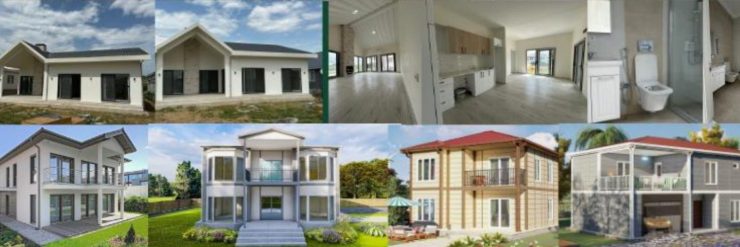
Standard economic prefabricated houses use H-profile steel frames and composite panels for a fast, cost-effective, and durable structure. The foundation is reinforced concrete or light raft, with lightweight steel and sandwich panels for the roof. Exterior walls feature 4–6 mm plaster and 10–20 mm aerated concrete or PETO panels with water and thermal insulation. Interior walls use drywall, ecological plaster, and aerogel-reinforced styrofoam/rock wool. PVC or aluminum framed windows with double glazing ensure heat and sound insulation. The modular system is eco-friendly, offers quick assembly, and reduces labor and material costs.
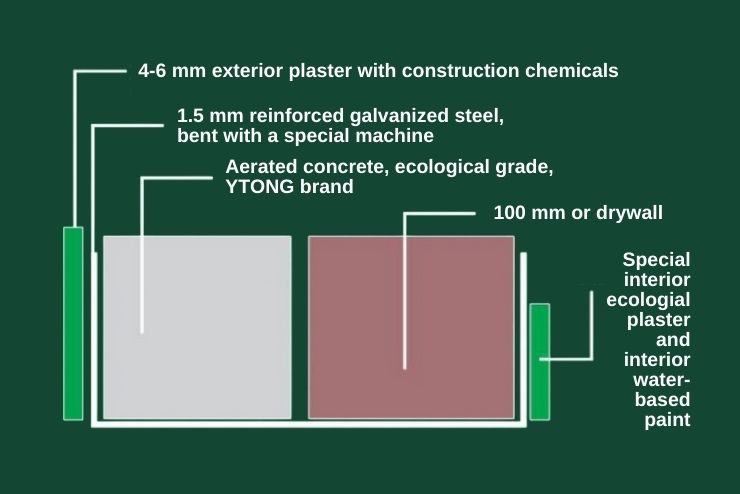
- 4-6 mm exterior plaster with construction chemicals
- 1.5 mm reinforced galvanized steel, bent with a special machine
- Aerated concrete, ecological grade, YTONG brand
- 100 mm or drywall
- Special interior ecologial plaster and interior water-based paint
Prefabricated Houses Summary
1. Structure & Load-Bearing System:
H-profile or galvanized steel main carriers, supported by L/U profile secondary members. Reinforced with composite and lightweight panels. Prefabricated, pre-cut, numbered parts for fast assembly.
2. Foundation & Flooring:
Reinforced concrete or light raft foundation; optional underground parking. Exterior floor with water- and heat-resistant materials.
3. Exterior & Roof:
4–6 mm plaster, 10–20 mm aerated concrete or PETO panels. Ecological materials with aerogel/composite insulation. Roof: lightweight steel + sandwich panels, waterproof membrane.
4. Interior:
10–20 mm drywall, ecological plaster, aerogel-reinforced rock wool/styrofoam insulation. Modular electrical and plumbing installation.
5. Windows & Doors:
PVC or aluminum frames, double or low-energy glazing, special seals for heat and sound insulation.
6. Advantages:
Fast assembly (30–45 days), cost-effective, modular, minimal error risk, eco-friendly, sustainable materials.
400 $ (M²)





Add comment